Some of the links in this article are "affiliate links", a link with a special tracking code. This means if you click on an affiliate link and purchase the item, we will receive an affiliate commission.
The price of the item is the same whether it is an affiliate link or not. Regardless, we only recommend products or services we believe will add value to our readers.
By using the affiliate links, you are helping support our Website, and we genuinely appreciate your support.
Understanding the Need for Balanced Dinner Recipes
Many individuals struggle with creating balanced dinner recipes that meet nutritional needs without compromising taste. This issue arises due to a lack of understanding of what constitutes a balanced meal and how to incorporate various food groups effectively.
Why Balanced Meals Matter
Balanced meals are key for maintaining overall health, supporting energy levels, and preventing nutrient deficiencies. According to research, meals that include a variety of food groups provide essential vitamins and minerals that contribute to better health outcomes.
Steps to Create Balanced Dinner Recipes
Step 1: Include a Protein Source
Proteins are vital for muscle repair and growth. Studies indicate that lean meats, legumes, and tofu are excellent protein sources. Ensure your dinner includes one of these to meet daily protein requirements.
Step 2: Add Whole Grains
Whole grains provide necessary fiber and energy. Data suggests incorporating brown rice, quinoa, or whole wheat pasta into your dinner can enhance digestive health and provide sustained energy.
Step 3: Incorporate Vegetables
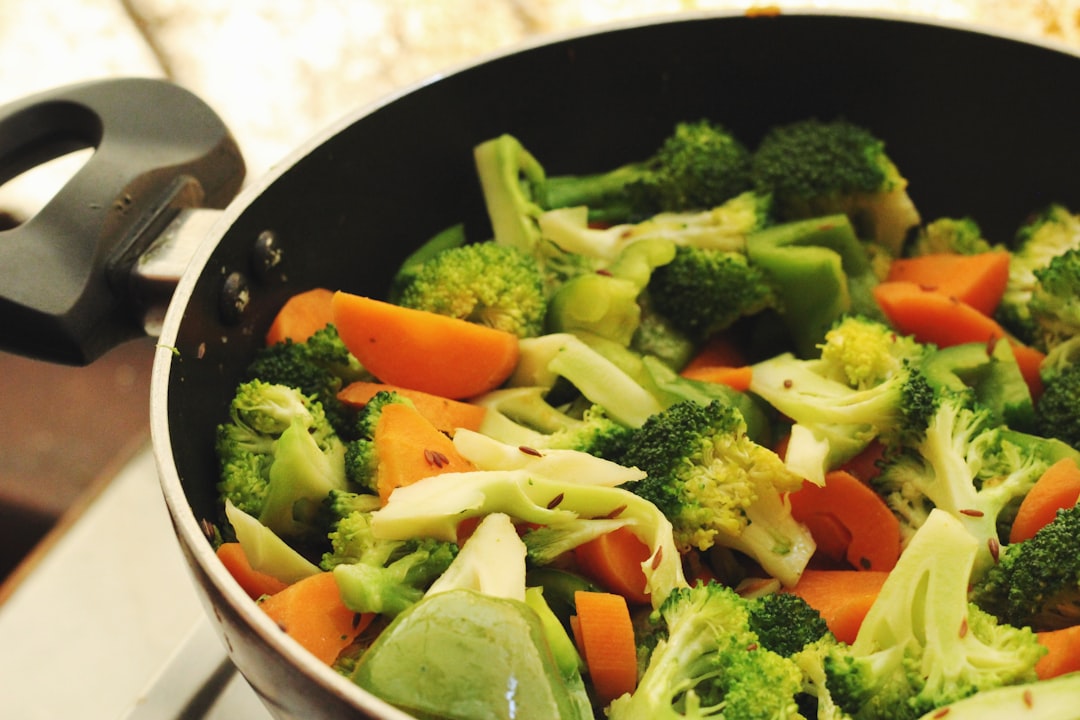
Vegetables are rich in vitamins and antioxidants. Research shows that a variety of colorful vegetables in your meal can boost immune function and reduce disease risk. Aim for at least two different types in your dinner.
Step 4: Include Healthy Fats
Healthy fats are essential for brain health and hormone regulation. Studies indicate that nuts, seeds, and olive oil are beneficial. Use these fats in moderation to complement your meal.
Step 5: Balance with Fruits
Fruits provide natural sweetness and additional nutrients. Data suggests that including a small portion of fruit in your dinner can enhance flavor and provide necessary vitamins.
Recipe Ideas for Balanced Dinners
- Quinoa Salad with Grilled Chicken: Combine grilled chicken, quinoa, mixed greens, cherry tomatoes, and a lemon olive oil dressing.
- Whole Wheat Pasta with Vegetables: Toss whole wheat pasta with sautéed spinach, bell peppers, and a tomato basil sauce.
- Tofu Stir-Fry: Stir-fry tofu with broccoli, carrots, and sesame oil served over brown rice.
Conclusion: Achieving Balance in Your Dinner
Creating balanced dinner recipes involves understanding nutritional needs and incorporating diverse food groups. By following these steps, you can ensure your meals are both healthy and delicious, supporting your overall well-being.