Some of the links in this article are "affiliate links", a link with a special tracking code. This means if you click on an affiliate link and purchase the item, we will receive an affiliate commission.
The price of the item is the same whether it is an affiliate link or not. Regardless, we only recommend products or services we believe will add value to our readers.
By using the affiliate links, you are helping support our Website, and we genuinely appreciate your support.
Understanding Comfort Food
Comfort food is often linked to nostalgic memories or a sense of warmth and satisfaction. Typically, these dishes are hearty and rich, but they don’t always have to be unhealthy. Research shows that comfort food can be both nutritious and satisfying, offering a balance between indulgence and health.
What Makes Food Comforting?
Research indicates that comfort foods often evoke a sense of familiarity and emotional well-being. Studies suggest that these foods can trigger positive memories or associations, providing a psychological boost. It’s fascinating how something as simple as a bowl of soup can transport you back to a cozy family dinner or a rainy afternoon spent indoors.
Healthy Swaps for Classic Comfort Foods
Transforming traditional comfort foods into healthier versions doesn’t require a complete overhaul. Small tweaks can make a big difference. For instance, swapping regular pasta for whole-grain or using Greek yogurt instead of cream can enhance the nutritional profile without sacrificing taste. Data suggests that these adjustments can reduce calorie intake while maintaining flavor.
Examples of Healthy Comfort Foods
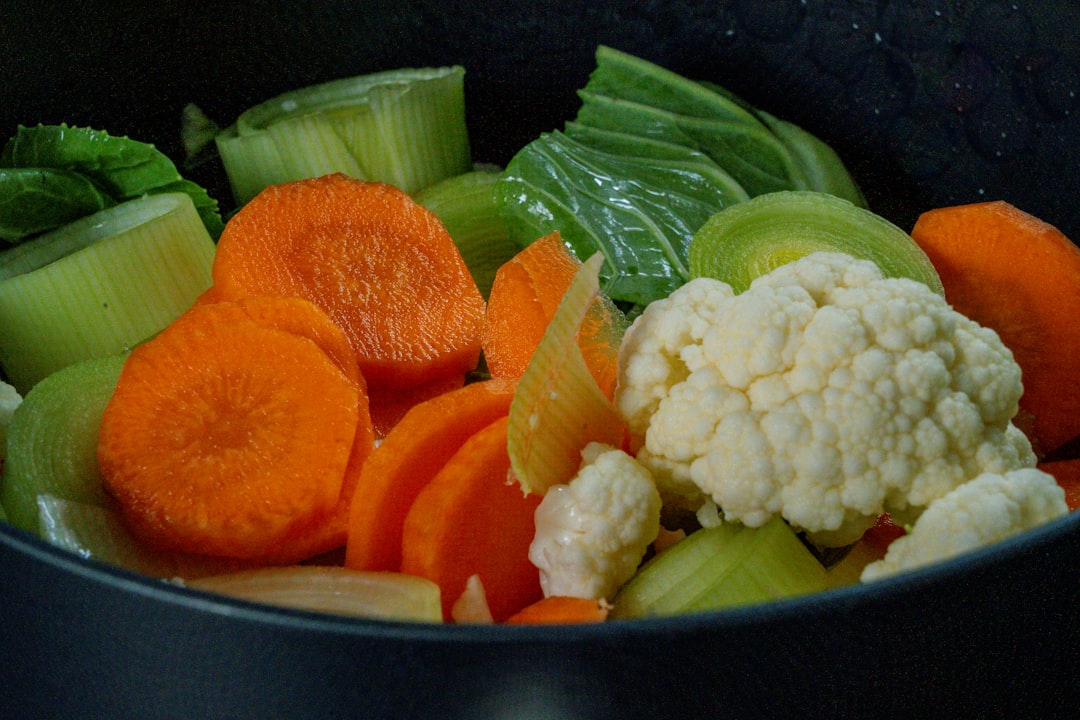
Let’s dive into some examples. A classic like mac and cheese can be made with whole wheat pasta and a light cheese sauce. Studies indicate that using vegetables like cauliflower in the sauce can add nutrients without altering the dish’s comforting qualities. Similarly, a hearty vegetable stew can be as satisfying as a meat-heavy one, with legumes providing protein and fiber.
The Role of Ingredients
Choosing the right ingredients is crucial. Research shows that incorporating fresh, whole foods can significantly enhance the health benefits of any dish. Opting for lean proteins, whole grains, and a variety of vegetables can turn any comfort food into a nutrient-rich meal. The key is to find a balance that doesn’t compromise on taste.
Practical Tips for Cooking Healthy Comfort Foods
Cooking at home allows for more control over ingredients and preparation methods. Studies suggest that baking or steaming instead of frying can reduce fat content. Additionally, seasoning with herbs and spices rather than salt can enhance flavor while keeping sodium levels in check. It’s all about making mindful choices that align with both your health goals and taste preferences.
Research on Emotional Eating and Comfort Foods
Emotional eating is often linked to comfort foods. Data suggests that while these foods can provide temporary relief from stress or sadness, it’s important to maintain a balanced approach. Mindful eating practices, such as savoring each bite and paying attention to hunger cues, can help manage emotional eating patterns.
Conclusion: Embracing Healthy Comfort Foods
Incorporating healthier versions of comfort foods into your diet doesn’t mean giving up the joy they bring. By making informed choices and being mindful of ingredients, you can enjoy the warmth and satisfaction of comfort foods while supporting your overall well-being. As research shows, it’s all about balance and moderation.