Some of the links in this article are "affiliate links", a link with a special tracking code. This means if you click on an affiliate link and purchase the item, we will receive an affiliate commission.
The price of the item is the same whether it is an affiliate link or not. Regardless, we only recommend products or services we believe will add value to our readers.
By using the affiliate links, you are helping support our Website, and we genuinely appreciate your support.
Introduction to Balanced Healthy Recipes
Creating balanced healthy recipes isn’t just about counting calories or following the latest diet trends. It’s about understanding what your body needs and finding delicious ways to meet those needs. Research shows that a balanced diet can improve your mood, energy levels, and overall health.
Understanding the Components of a Balanced Meal
A balanced meal typically includes a mix of carbohydrates, proteins, and healthy fats. Studies indicate that each of these macronutrients plays a crucial role in maintaining bodily functions. Carbohydrates provide energy, proteins support muscle repair, and fats are essential for hormone production and nutrient absorption.
Carbohydrates: The Energy Source
Whole grains, fruits, and vegetables are excellent sources of carbohydrates. Data suggests that complex carbs are more beneficial than simple sugars, as they provide sustained energy without the spikes and crashes.
Proteins: Building Blocks of the Body
Lean meats, beans, and legumes are rich in proteins. Research indicates that adequate protein intake is vital for muscle maintenance and repair. Including a variety of protein sources can help meet your nutritional needs.
Fats: Essential for Health
Healthy fats found in nuts, seeds, and avocados are crucial for heart health and brain function. Studies suggest that incorporating these fats into your diet can reduce the risk of chronic diseases.
Practical Tips for Creating Balanced Recipes
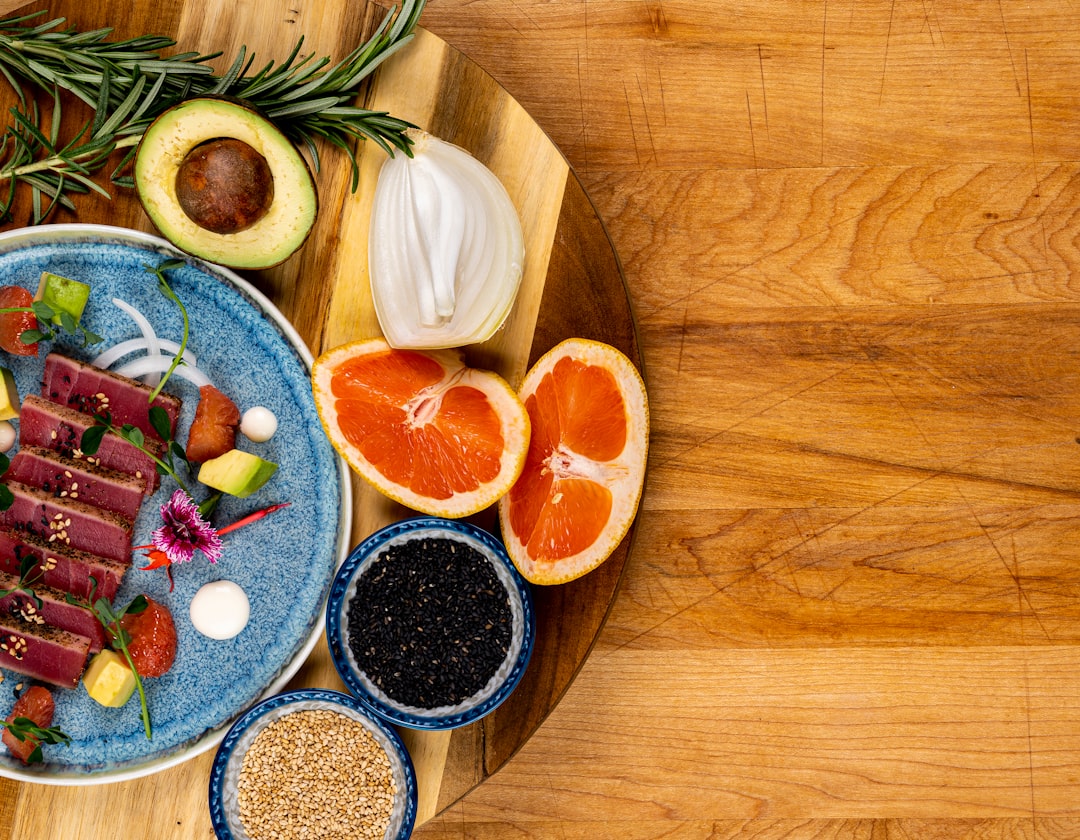
When crafting balanced recipes, consider the portion sizes and ingredient combinations. Aim for a colorful plate, as this often means a variety of nutrients. Data suggests that meals rich in color are more likely to contain essential vitamins and minerals.
Incorporating Seasonal Ingredients
Using seasonal produce not only enhances flavor but also ensures freshness. Research shows that seasonal ingredients are often more nutrient-dense, as they are harvested at their peak.
Experimenting with Herbs and Spices
Herbs and spices can transform a dish without adding extra calories. Studies indicate that spices like turmeric and ginger have anti-inflammatory properties, adding both flavor and health benefits.
Sample Balanced Healthy Recipes
Here are a few recipes to get you started on your balanced eating journey. Remember, the key is to enjoy the process and make adjustments based on your preferences and nutritional needs.
Quinoa Salad with Grilled Chicken
This recipe combines protein-rich chicken with fiber-packed quinoa, topped with a variety of colorful vegetables. Studies suggest that quinoa is a complete protein, making it an excellent choice for vegetarians and meat-eaters alike.
Vegetable Stir-Fry with Tofu
A quick and easy meal, this stir-fry includes a mix of seasonal vegetables and tofu, providing a balance of nutrients. Data shows that tofu is a great source of plant-based protein.
Avocado Toast with Poached Egg
Simple yet satisfying, this recipe pairs healthy fats from avocado with protein from eggs. Research indicates that avocados may help improve cholesterol levels.
Conclusion: The Joy of Balanced Eating
Embracing balanced healthy recipes is not just about following guidelines; it’s about enjoying the process of nourishing your body. Studies show that those who enjoy their meals tend to have better health outcomes. So, explore, experiment, and enjoy the journey towards balanced eating.