Some of the links in this article are "affiliate links", a link with a special tracking code. This means if you click on an affiliate link and purchase the item, we will receive an affiliate commission.
The price of the item is the same whether it is an affiliate link or not. Regardless, we only recommend products or services we believe will add value to our readers.
By using the affiliate links, you are helping support our Website, and we genuinely appreciate your support.
Understanding the Need for Healthy Comfort Dinners
Many people struggle to find dinner options that are both comforting and healthy. This challenge often arises due to the misconception that comfort foods are inherently unhealthy. Research shows that comfort foods can be nutritious without sacrificing flavor.
Why Comfort Foods Often Feel Unhealthy
Comfort foods are typically associated with high-calorie, high-fat ingredients. This perception is rooted in traditional recipes that prioritize taste over nutritional value. Studies indicate that modifying these recipes can lead to healthier versions that maintain their comforting qualities.
Steps to Create Healthy Comfort Dinners
1. Choose Healthier Ingredients
Opt for whole grains, lean proteins, and fresh vegetables. These ingredients provide essential nutrients while keeping calorie counts in check.
- Whole grains: Use brown rice, quinoa, or whole wheat pasta instead of refined grains.
- Lean proteins: Select chicken breast, tofu, or legumes as protein sources.
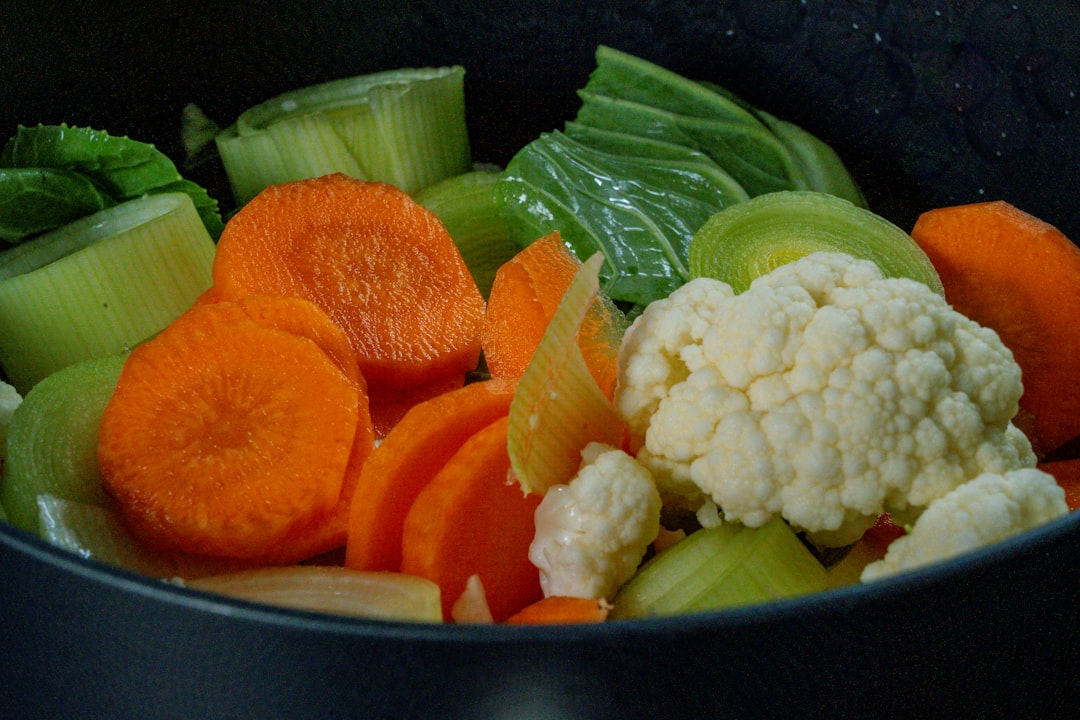
- Fresh vegetables: Incorporate a variety of colorful vegetables to enhance flavor and nutrition.
2. Modify Cooking Methods
Traditional comfort foods often rely on frying and heavy sauces. Instead, consider healthier cooking techniques.
- Baking: Bake instead of frying to reduce fat content.
- Grilling: Grill meats and vegetables for a smoky flavor without added fats.
- Steaming: Steam vegetables to retain their nutrients and natural flavors.
3. Control Portion Sizes
Portion control is crucial for maintaining a balanced diet. Studies suggest using smaller plates to naturally reduce portion sizes and prevent overeating.
Healthy Comfort Dinner Ideas
1. Quinoa and Vegetable Stir-Fry
Quinoa is a protein-rich grain that pairs well with a variety of vegetables. This stir-fry is quick to prepare and packed with nutrients.
2. Grilled Chicken with Roasted Vegetables
Grilling chicken breast and roasting vegetables is a simple way to enjoy a comforting meal that’s low in calories and high in flavor.
3. Whole Wheat Pasta with Tomato and Spinach
Whole wheat pasta provides fiber and nutrients, while the tomato and spinach add vitamins and minerals. This dish is both satisfying and healthy.
Conclusion: Balancing Comfort and Health
Creating healthy comfort dinners is achievable by choosing nutritious ingredients, modifying cooking methods, and controlling portion sizes. Data suggests that these strategies can lead to meals that are both comforting and beneficial for health.