Some of the links in this article are "affiliate links", a link with a special tracking code. This means if you click on an affiliate link and purchase the item, we will receive an affiliate commission.
The price of the item is the same whether it is an affiliate link or not. Regardless, we only recommend products or services we believe will add value to our readers.
By using the affiliate links, you are helping support our Website, and we genuinely appreciate your support.
Understanding the Need for Nutritious Dinner Meals
Many individuals struggle with preparing nutritious dinner meals that support a balanced diet. This challenge often stems from a lack of knowledge about what constitutes a healthy meal and how to incorporate diverse nutrients effectively.
Why Nutritious Dinners Matter
Research shows that dinner is a crucial meal for maintaining energy levels and supporting overall health. A well-balanced dinner can aid in weight management, improve digestion, and enhance sleep quality. Studies indicate that dinners rich in vegetables, lean proteins, and whole grains contribute to better health outcomes.
Common Challenges in Preparing Nutritious Dinners
Several obstacles can hinder the preparation of nutritious dinners, including limited time, budget constraints, and unfamiliarity with healthy recipes. Data suggests that these factors often lead to the consumption of processed foods that lack essential nutrients.
Step-by-Step Guide to Creating Nutritious Dinner Meals
1. Plan Your Meals
Start by planning your meals for the week. This helps in organizing shopping lists and ensures a variety of nutrients. Research indicates that meal planning can lead to healthier food choices.
2. Focus on Key Nutrients
Ensure your dinner includes proteins, carbohydrates, fats, vitamins, and minerals. Studies suggest that a balanced intake of these nutrients supports bodily functions and prevents deficiencies.
3. Choose Whole Foods
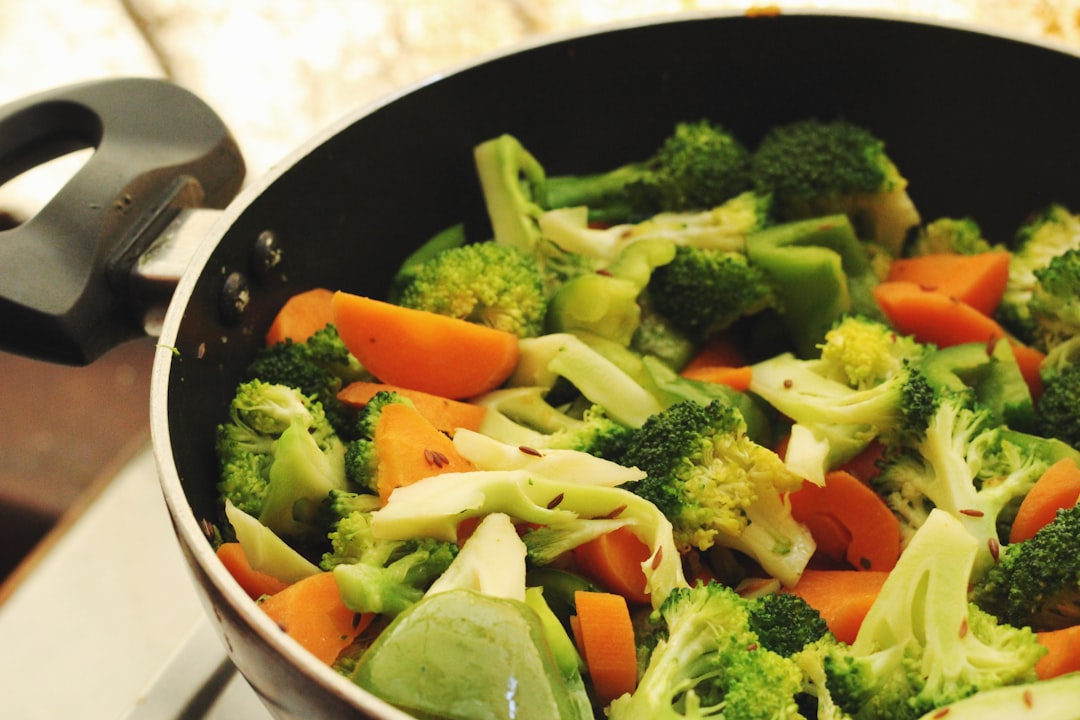
- Vegetables: Opt for a mix of leafy greens, cruciferous vegetables, and colorful veggies.
- Proteins: Include lean meats, fish, beans, or tofu.
- Carbohydrates: Select whole grains like quinoa, brown rice, or whole wheat pasta.
Data suggests that whole foods provide more nutrients and fewer additives compared to processed options.
4. Prepare Simple Recipes
Choose recipes that are easy to prepare and require minimal cooking time. Studies indicate that simple cooking methods like steaming, grilling, or baking preserve nutrients better than frying or boiling.
5. Monitor Portion Sizes
Research shows that controlling portion sizes can prevent overeating and help maintain a healthy weight. Use smaller plates and be mindful of serving sizes.
Additional Tips for Nutritious Dinners
- Stay Hydrated: Drink water or herbal teas instead of sugary drinks.
- Limit Processed Foods: Reduce intake of pre-packaged meals and snacks.
- Include Healthy Fats: Add sources like avocados, nuts, and olive oil.
Studies indicate that these practices contribute to better overall health and improved dietary habits.